Security & Surveillance
AI Solar CCTV Cameras: How They Work and Why Kenyan Properties Are Switching
Jun 25, 2026
Admin
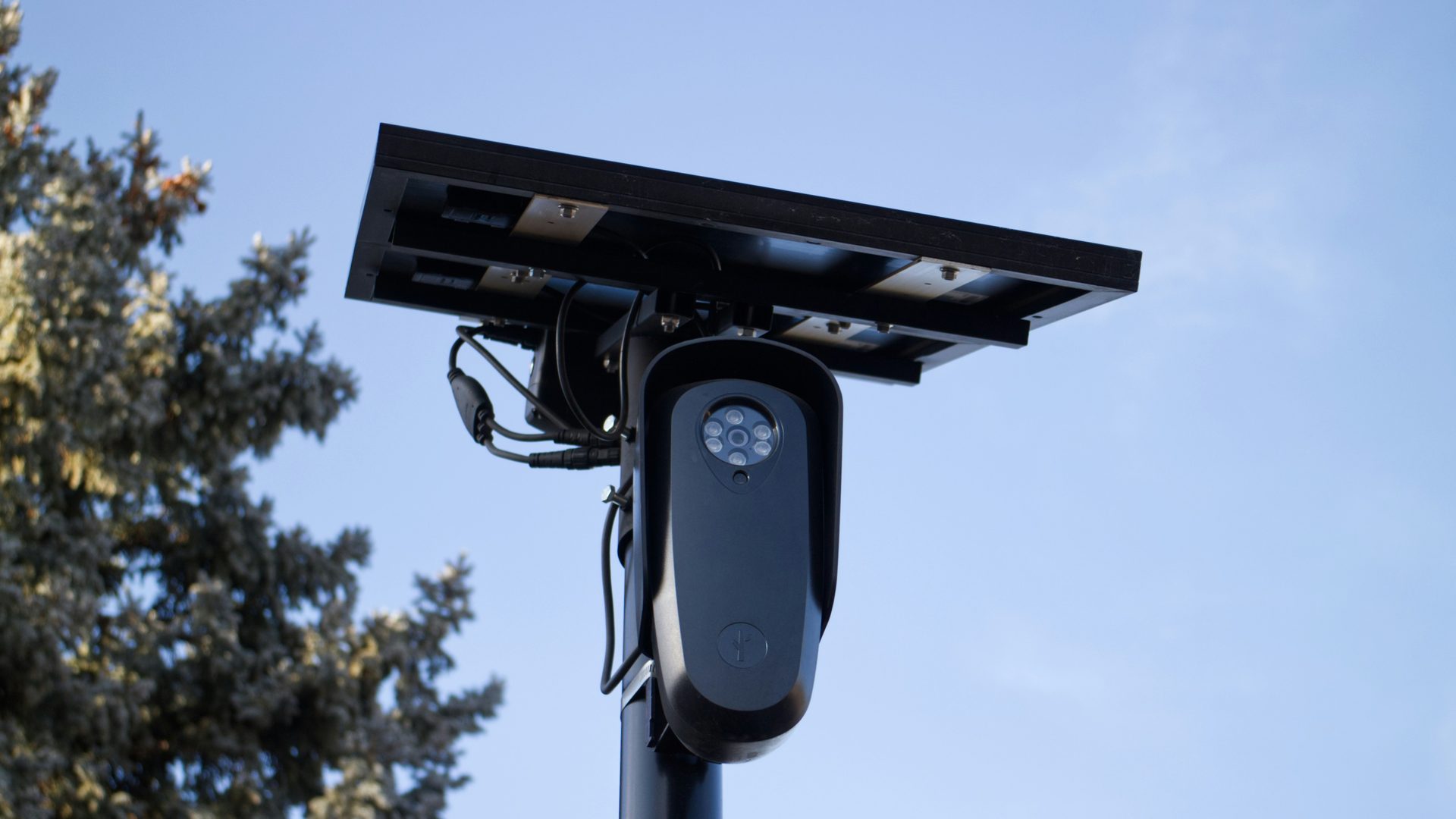
AI solar CCTV cameras combine solar power, intelligent motion detection, and remote monitoring to help protect homes and businesses. Discover how these smart security cameras work and why they are becoming a practical security solution for properties in Kenya.
Security is an important consideration for homeowners, shop owners, offices, warehouses, and other businesses across Kenya. As technology improves, traditional security cameras are no longer the only option. AI-powered solar CCTV cameras are becoming an attractive alternative for properties that need reliable monitoring without depending entirely on mains electricity.
These cameras combine solar energy, intelligent detection features, and mobile connectivity to make property surveillance more convenient. But how do they work, and what makes them different from ordinary CCTV cameras?
What Is an AI Solar CCTV Camera?
An AI solar CCTV camera is a security camera that uses a solar panel for charging and artificial intelligence (AI) features to help identify activity around a property.
Depending on the model, it may include a rechargeable battery, motion detection, night vision, two-way audio, and internet connectivity.
Unlike conventional CCTV systems that may require continuous mains electricity and extensive cabling, many solar CCTV cameras can operate independently using energy stored in their batteries.
The AI functionality adds another layer of intelligence by helping the camera distinguish between different types of movement, such as people and vehicles, depending on the features supported by the device.
How Do AI Solar CCTV Cameras Work?
Several components work together to provide surveillance and security monitoring.
1. Solar Panel and Rechargeable Battery
The solar panel captures sunlight and converts it into electricity to charge the camera's battery.
During the day, the panel replenishes the battery, which powers the camera when sunlight is unavailable. Battery performance depends on sunlight exposure, battery capacity, camera settings, and the frequency of recording and notifications.
This makes solar CCTV cameras useful for locations where running power cables may be difficult or expensive.
2. Artificial Intelligence and Smart Detection
Traditional motion detection may trigger an alert whenever movement occurs within the camera's detection area. This can result in unnecessary notifications caused by moving branches, passing vehicles, or animals.
AI-enabled cameras with human or vehicle detection can analyse movement and help distinguish relevant activity from other motion.
For example, a camera installed outside a shop may notify the owner when a person approaches the entrance, depending on the camera's detection capabilities and settings.
However, AI detection is not perfect. Lighting conditions, camera placement, and the particular model can affect its accuracy.
3. Mobile Applications and Remote Monitoring
Many AI solar CCTV cameras connect to a smartphone application through Wi-Fi or a 4G mobile network.
Once configured, the owner may be able to view live footage, receive alerts, review recorded clips, and communicate with visitors through two-way audio where supported.
For business owners, this means they can check activity around their premises even when they are away.
A 4G model may be particularly useful in locations without reliable Wi-Fi, provided there is adequate mobile network coverage and an active data plan.
4. Night Vision and Motion-Activated Recording
Security threats are not limited to daytime hours. Many solar CCTV cameras include infrared night vision, while some models also offer colour night vision using additional lighting.
Depending on the model, the camera may record when movement is detected rather than continuously. This can help conserve battery power and storage space.
Some cameras also include warning lights or sirens, which may help deter unwanted activity.
Buyers should check the actual night-vision range, recording options, and alarm features before selecting a camera.
Why Are Kenyan Homes and Businesses Considering AI Solar CCTV Cameras?
Several practical advantages make these cameras worth considering.
Reduced Dependence on Mains Electricity
Solar-powered cameras can operate using energy generated by their panels and stored in rechargeable batteries. This reduces dependence on a direct electricity connection.
They can be particularly useful for gates, perimeter walls, remote buildings, farms, and other locations where installing power cables is inconvenient.
However, prolonged cloudy weather or poor panel placement can affect charging, so the battery and solar panel should be suitable for the intended use.
Easier Installation
Many standalone solar CCTV cameras are designed for relatively simple installation and do not require the extensive power cabling associated with some conventional systems.
This can make them suitable for residential properties, small businesses, and temporary monitoring locations.
The mounting surface, network availability, solar exposure, and camera coverage should still be assessed before installation.
Remote Access from Anywhere
With a compatible mobile application and a working internet connection, property owners can monitor their premises from different locations.
This can be helpful for shop owners checking their businesses after closing, landlords monitoring entrances, and homeowners who travel frequently.
Remote monitoring availability depends on the camera's connectivity, application, and service requirements.
Intelligent Security Alerts
AI-supported detection can help reduce unnecessary notifications by focusing on specific types of activity.
Instead of receiving an alert every time something moves, users may be able to configure notifications for people or vehicles, depending on the camera's capabilities.
This makes reviewing security events more convenient, although detection settings should be tested and adjusted to suit the installation environment.
Flexible Installation Locations
Because many models use solar charging and wireless connectivity, they can be installed in areas where traditional CCTV wiring would be difficult.
Possible applications include:
- Residential gates and entrances.
- Retail shops and business premises.
- Warehouses and storage facilities.
- Farms and rural properties.
- Parking areas and outdoor compounds.
- Construction sites and other temporary locations.
The suitability of a particular camera depends on its weather resistance, battery capacity, connectivity, and intended coverage area.
What Should You Check Before Buying an AI Solar CCTV Camera?
Not every solar CCTV camera offers the same features. Before purchasing one, consider the following factors.
1. Camera resolution: Check the supported resolution and image quality to ensure the camera can capture useful footage of the intended area.
2. Battery capacity: A suitable battery helps the camera operate when sunlight is unavailable. Check the manufacturer's stated operating performance and charging requirements.
3. Solar panel performance: Consider the panel's output and whether the proposed installation location receives sufficient sunlight.
4. Network connectivity: Confirm whether the camera requires Wi-Fi, supports a 4G SIM card, or offers another connection method.
5. AI detection features: Check whether the specific model supports human detection, vehicle detection, or other intelligent alerts. These features are not available on every camera.
6. Storage options: Find out whether recordings are stored on a microSD card, in the cloud, or through another supported system. Check any additional subscription costs.
7. Weather resistance: For outdoor use, confirm the camera's IP rating and ensure its installation and connections are adequately protected from water and dust.
8. Warranty and support: Check the warranty period, availability of replacement accessories, and the support offered by the seller.
Comparing these features helps you select a camera that meets your security needs without paying for functions you may not use.
Are AI Solar CCTV Cameras Worth It?
For many homes and businesses, AI solar CCTV cameras offer a convenient combination of solar charging, remote monitoring, and intelligent detection.
They may be especially useful where power access is limited, conventional CCTV installation would be costly, or property owners need a flexible outdoor security solution.
However, they are not automatically the best choice for every situation. Large commercial premises requiring continuous recording from multiple cameras may benefit more from a professionally designed CCTV system with dedicated power, network infrastructure, and centralised storage.
The right solution depends on the property's size, security requirements, budget, and available infrastructure.
Find Security and Electrical Products at Mamji Electricals Limited
At Mamji Electricals Limited, we understand the importance of choosing suitable electrical and security products for homes and businesses.
Whether you are exploring solar-powered surveillance for your home, shop, office, or other property, understanding the available features is an important first step towards making an informed purchasing decision.
Contact us to enquire about available security and electrical products.
Mamji Electricals Limited
Location: Jitihada Shopping Complex, 2nd Floor, Shop No. 29, Taveta Road, Nairobi CBD (Near Tea Room)
Phone: +254 798 810 265
Website: mamjielectricals.co.ke
Business Hours: Monday–Saturday, 8:30 AM–6:30 PM
Choose security solutions that match your property, and enjoy greater convenience when monitoring the places that matter to you.
Search
Categories
Recent Posts

Go Solar Today
Get a free consultation and quote for your electrical and solar energy needs.
Get a Free Quote